Loading content…
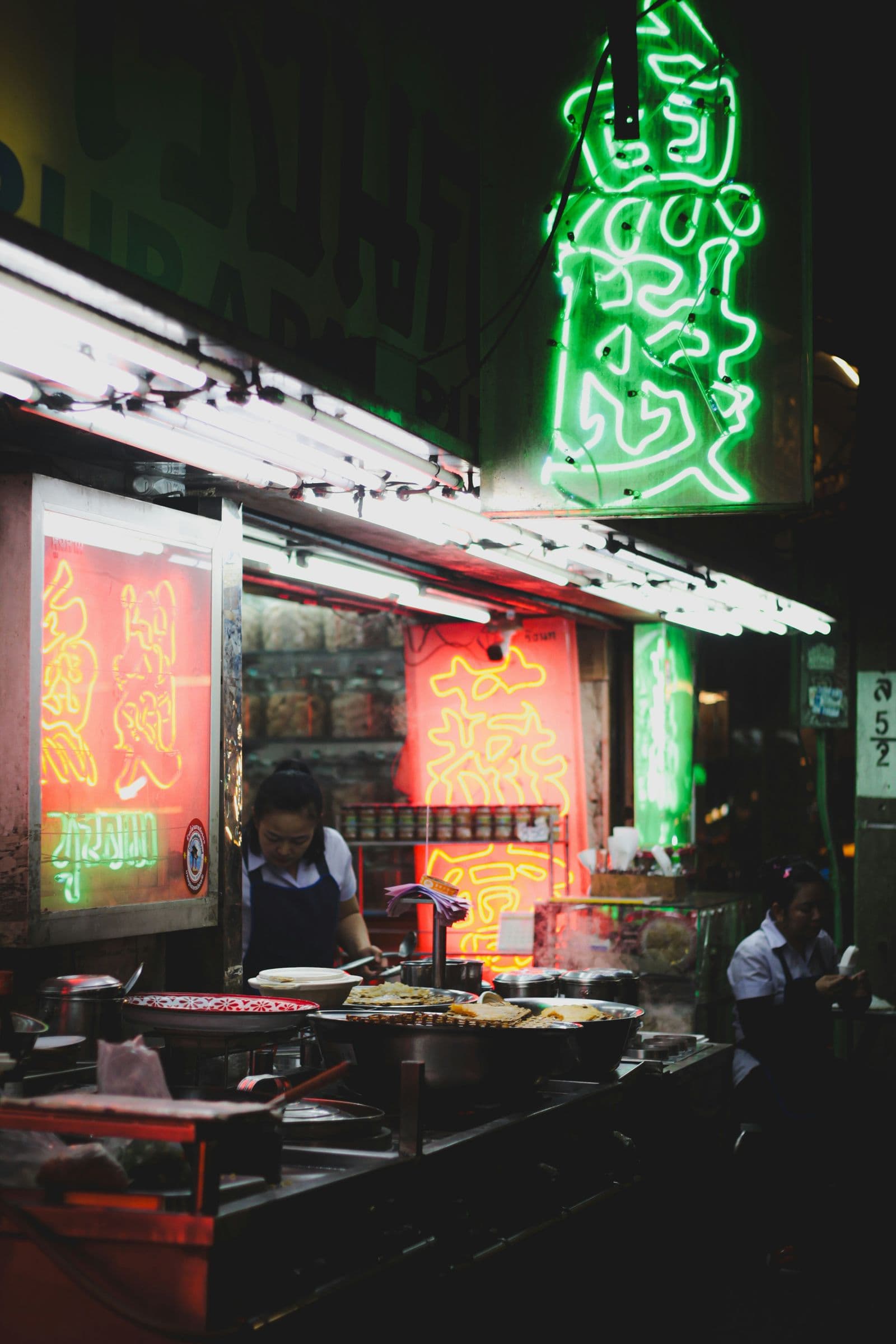
Nagoya
Batam Food Guide: Local Dishes and Best Restaurants
1 min read
A complete Batam food guide for Singapore visitors: signature local dishes, seafood restaurants with addresses, hawker centres, halal status and realistic prices. Eat like a local from your first visit.
Batam's Food Identity: Malay, Chinese and the Sea
Riau Islands cuisine is a meeting of Malay and Chinese cooking traditions, built around the exceptional seafood of the surrounding waters. Fishing boats unload daily at Nongsa, Tanjung Piayu and Galang — the freshness of the catch defines the cooking.
Batam is a majority Muslim city — over 90% of residents are Muslim — which means the vast majority of restaurants are halal-certified. Pork and alcohol are available at Chinese-owned establishments, which are clearly distinct from halal restaurants. For Muslim travellers, Batam's food scene is unusually easy to navigate.
Must-Try Dishes: Batam's Signature Food
Otak-Otak
Grilled fish cake made from tenggiri (Spanish mackerel), coconut milk and Malay spices, wrapped in coconut or banana leaf and cooked over charcoal. The Batam version is moister and spicier than the Singapore equivalent. Try it at A2 Food Court (Jl. Bunga Mawar, Lubuk Baja) or Ikan Bakar Acia (Komplek Batam Park, Nagoya). Price: IDR 5,000–10,000 per piece.
Mie Tarempa
Spicy egg noodles with skipjack tuna or beef, named after Tarempa, the capital of the Natuna regency. The thick wheat noodles are chewy and absorb the sauce well. Served fried or in broth. Try it at Mie Terempa'k (Ruko Royal Sincom, Blk. D No. 15–16, Tlk. Tering; daily 07:00–21:00). Price: IDR 20,000–30,000.
Gonggong
A sea snail endemic to the Riau Islands, roughly 7 cm long, with a chewy, savoury flavour. Boiled with salt and ginger to remove any fishiness, served with a toothpick for extraction. It is the most distinctively Riau dish you will eat in Batam — unavailable at this quality anywhere in Singapore. Available at any Riau-style seafood restaurant; Barelang Seafood Restaurant (Jalan Trans Barelang City, Sagulung) is a good choice. Price: IDR 40,000–80,000 per portion.
Mie Lendir
"Slippery noodle" — yellow noodles coated in a thick, sticky sauce made from peanuts and tapioca, topped with a boiled egg and bean sprouts. Local comfort food available at most Batam food courts.
Lontong Sayur
A Malay breakfast staple: compressed rice cakes served with rich coconut vegetable curry. Popular in the early morning — the best version is gone by 09:00 at busy warungs.
Martabak
A stuffed pancake in sweet (martabak manis) or savoury (martabak telur) form. The sweet version comes loaded with condensed milk, chocolate, peanuts or cheese. Evening street snack, widely available from carts after 17:00. Try Martabak Bangka Ceria at Morning Kopitiam (Ruko Cahaya Garden, Sadai); martabak manis IDR 42,000.
Seafood Culture in Batam
Batam's seafood advantage over Singapore is twofold: freshness and price. Fishing boats unload their catch daily at ports across the island; the seafood you eat today was swimming this morning. The price-to-quality ratio far exceeds Singapore for comparable dishes.
Kelong restaurants — floating or stilted structures over the water — are a distinctive Batam dining experience. The atmosphere is informal and the fish is at its freshest. At most seafood restaurants you choose your fish, crab or prawns from a live tank, then specify the cooking style: chili, black pepper, Cantonese steamed, butter, or salted egg.
Recommended seafood restaurants with addresses: Harbour Bay Seafood Restaurant, The Promenade Blk 8E, Batu Ampar (signature: Black Pepper Crab, Salted Egg Prawns; approx. IDR 200,000/person); Ikan Bakar Acia, Komplek Batam Park, Lubuk Baja (grilled fish, otak-otak; approx. IDR 100,000/person); Barelang Seafood, Jalan Trans Barelang City, Sagulung (gonggong, Cantonese fish; approx. IDR 250,000/person); Love Seafood Piayu, Kampung Tua Tanjung Piayu, Nongsa (seafood steamboat; approx. IDR 200,000/person); de'Sampan BBQ & Seafood, Jl. Ruko Greenland, Tlk. Tering (grilled mackerel, eggplant; approx. IDR 150,000/person).
Hawker Centres and Food Courts
A2 Food Court is Batam's most popular hawker centre, located at Jl. Bunga Mawar, Batu Selicin, Lubuk Baja. Open daily from approximately 06:00 to 01:00. Dishes run IDR 15,000–50,000 per dish; most stalls are cash only. This is the first destination on most Singapore food tourists' list and justifiably so.
Nagoya Hill Food Street operates inside Nagoya Hill Mall — air-conditioned, multi-stall, open daily 10:00–22:00. A good wet-weather option. Harbour Bay Street is an open-air strip of seafood restaurants near the ferry terminal with live tanks and evening atmosphere. The 168 Food Court in Nagoya has a street-food focus and hosts several well-known local stalls.
Halal, Vegetarian and Dietary Restrictions
Halal: over 90% of Batam restaurants are halal-certified. Look for the halal certification sign at the door. Chinese seafood restaurants are NOT halal-certified — pork and alcohol are present. If halal compliance is essential, stick to Malay and Indonesian establishments.
Vegetarian: limited but manageable. Vegetable dishes (sayur asem, gado-gado, cap cay) are available at most Malay restaurants. Dedicated vegan restaurants are rare. Gluten-free is challenging: rice is naturally gluten-free and widely available, but soy sauce typically contains wheat. Communicate clearly to kitchen staff. Batam's food culture is heavily seafood-centric — guests with shellfish or fish allergies should communicate their restrictions explicitly; Chinese-owned restaurants are generally the most flexible on substitutions.
Drinking Water and Food Safety
Tap water is not safe for drinking. Bottled water is universally available at IDR 3,000–5,000 per 600ml bottle and is the standard throughout Batam. Use bottled water for brushing teeth as well.
Established restaurants and busy hawker centres like A2 Food Court are safe for most visitors — high turnover means food is fresh and turnover is constant. Be cautious with raw vegetables at very basic street stalls (rinsed in tap water). A Hepatitis A vaccination is recommended by travel medicine guides for all Indonesia visitors.
Etiquette and Practical Tips
Most local restaurants are cash only; larger establishments and mall food courts accept cards. Sharing dishes is the norm — order several items for the table rather than individual portions. Ask for "tidak pedas" (not spicy) or "sedikit pedas" (a little spicy) if you prefer milder food. Meal times roughly follow: breakfast 07:00–09:00, lunch 12:00–14:00, dinner 18:00–21:00.
Avoid: restaurants near Nagoya Hill with laminated English menus with photos — these are tourist traps charging 2–3 times the local price for the same dishes available two streets away.
Where to Stay
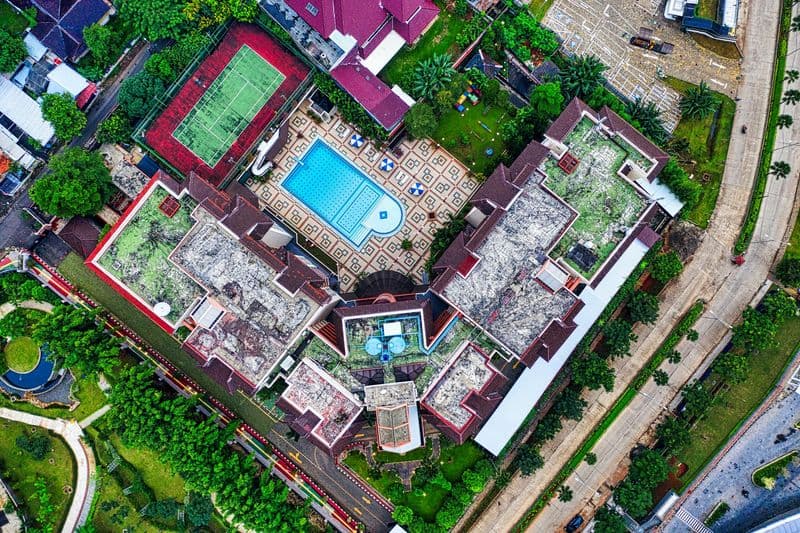
NAGOYA · HOTEL
Planet Holiday Hotel & Resort
Central Nagoya hotel with a large pool complex, walking distance from Nagoya Hill Mall and the best hawker streets in Batam.
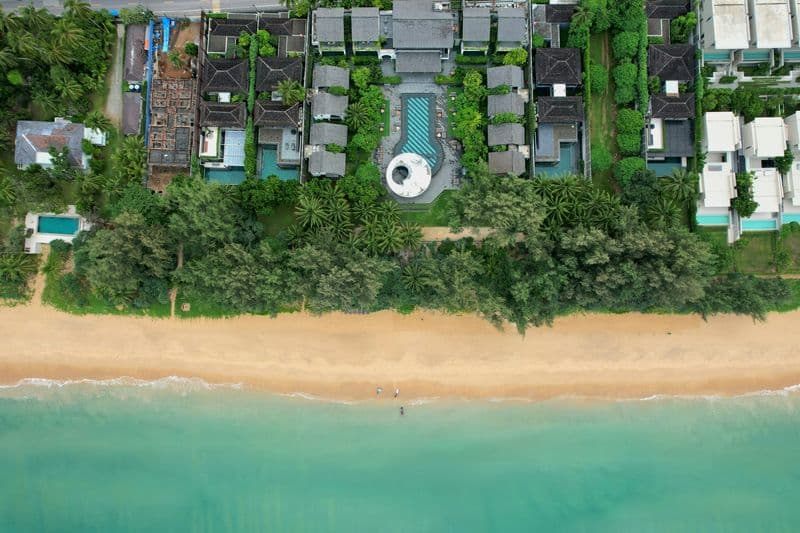
NONGSA · RESORT
The Turi Beach Resort
Nongsa's most iconic beachfront resort. Private beach, infinity pool, and lush tropical gardens just 20 minutes from Singapore.